
Thoracal Segmental Spinal Anesthesia for Lower Back Lipoma Excision: a Case Report
Christanto Suryo, I Wayan Widana
Christanto Suryo, I Wayan Widana
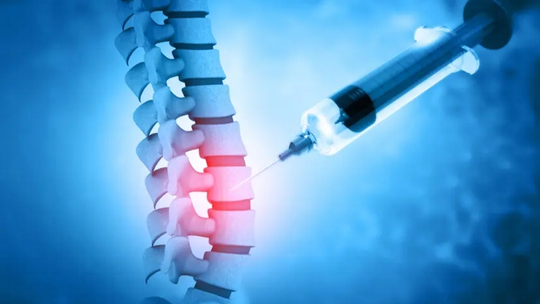
Thoracal Segmental Spinal Anesthesia for Lower Back Lipoma Excision: a Case Report
Sumber: Medicinus Vol. 35 ISSUE 3, DECEMBER 2022
Christanto Suryo, I Wayan Widana
Anesthesiology and Intensive Care Department, Wangaya Regional Public Hospital, Bali
Abstract
Background: General anesthesia is the most preferred anesthetic management for lower back surgery, considering the location and practicality. However, multiple studies showed that regional anesthesia, particularly thoracal segmental spinal anesthesia, had more advantages compared to general anesthesia. Case presentation: We report a 19-year-old woman admitted to the OR for infected lipoma in lower back region, located in thoracal 12th, who underwent successful thoracal segmental spinal anesthesia. Conclusion: This is an original case report which showed significance of thoracal segmental spinal anesthesia and the advantages compared to general anesthesia.
Background
Thoracal spinal anesthesia has emerged as one of the most promising anesthetic technique in recent times. First proposed by Thomas Jonnesco, under a paper titled General Spinal Anesthesia in 1909, which stated that there were two proposed sites in thoracic spine to approach subarachnoid spaces. The high thoracic site, located between the first and second thoracic vertebrae, would provide a deep and perfect analgesia for head, neck, and upper members, whilst the lower thoracic site, located between the 12th thoracic and 1st lumbar vertebrae, would provide anesthesia for the lower segment of the body. He also mentioned that the middle thoracal approach was more difficult and unnecessary compared to the other two sites.[1] Later, Framin et al. and van Zudert et al. proposed segmental spinal block using low thoracic puncture for laparoscopic cholecystectomy. Since then, regional anesthesia has improved in feasibility and safety of spinal anesthesia through thoracic approach.[2] General anesthesia (GA) is currently the standard procedures for most surgeries. In this case, we present a successful case of thoracal segmental spinal anesthesia in infected lipoma located in 12th thoracal (T12) level.
Case Presentation
A 19-year-old female was admitted to the operating room for infected lipoma in lower back region. The patient had no prior history of disease, including diabetes, hypertension, and asthmatic events. Routine noninvasive monitoring showed blood pressure 114/73 mmHg, heart rate 69 bpm, and respiratory rate 16 times per minute. The lipoma was located at the left side, between infrascapular and lumbar region, at T12 level. Patient was on American Society of Anesthesiologist Physical Status (ASA-PS) I.
Thoracal segmental spinal anaesthesia was selected for this patient. Premedication regimen was 10 mg dexamethasone, 10 mg diphenhydramine, and 4 mg ondansetron. Patient was positioned in left lateral decubitus position. The landmark then identified by counting up from the 12th rib margin, which is the lumbar 1 spinous process. The 7th to 8th thoracal (T7-8) was marked as the injection site, then the field was sterilized using povidone iodine, and closed with sterile drape.
Local anaesthetic with 1% lidocaine was injected into the selected area. With the midline approach, a 29th gauge needle was introduced into the T7-8. After a clear flow of CSF was seen at the hub of the needle, 5 mg of 0.5% hyperbaric bupivacaine was injected intrathecally. The sensory block was adequate at 5th–6th thoracal level, as the patient mention of unresponsiveness to pinprick test at under the level of nipple line and left leg was still able to move but unable to be raised, indicating of Bromage Score I, and surgery can be started.
During intraoperative period, vital signs was stable with blood pressure average 115/80 mmHg, heart rate 80 bpm, and respiratory rate 14 times per minute. Surgery was over in 45 minutes. The patient then was transferred to the recovery room for further observation. For postoperative analgesia, the patient was given 200 mcg fentanyl in 5% dextrose.
Discussion
Although a couple of anesthetic technique is available, considering the type and location of the surgery, general anesthesia might be the preferred anesthetic of choice. Greater patient acceptance, duration, and capacity for secure airway in the most position, including lateral decubitus and prone might be some considerations in the decision making. However, multiple studies shows that regional anesthesia is more effective. Pierce et al. (2017) shows that spinal anesthesia (SA) was associated with shorter surgery duration, total anesthesia duration, time from entering OR until incision, time from bandage replacement until exiting the operating room, and the length of hospitalization, compared to general anesthesia.[3] Finsterwald et al. (2018) also reported that spinal anesthesia was associated with better perioperative hemodynamic stability.[4] Scott et al. (2011) also showed that pulmonary complications were more common in patients underwent GA compared to regional anesthesia. Two retrospective studies shown that SA resulted in better outcome compared to GA in patients underwent surgeries on lumbar spine.[5]
The term segmental spinal means blocking of the required dermatomes essential for the proposed surgical procedure with very low effective local anesthetic drug dose.[6] As mentioned above, initially, there were only two proposed sites for spinal anesthesia, with the middle thoracic were deemed unnecessary. Most anesthesiologists are hesitant to perform spinal anesthesia above the termination of the conus medullaris due to fear of injuring the spinal cord. However, the anatomy of the thoracic spinal canal has been investigated using MRI in 50 patients. It was shown by MRI that middle to lower thoracic segment of the cord lies anteriorly, while the space of cerebrospinal fluid was located between the dura mater and the cord, whilst the spinal cord and the cauda equina are touching the dura mater posteriorly in the lumbar region. The space between the dura mater and spinal cord was 5.19 mm, 7.75 mm, and 5.88 mm in T2, T5, and T10, respectively. The angle of entry between the intersection of T5 and T6, an angle of 45º was found, thus increasing the distance from the tip of the needle to the posterior surface of the cord. A previous study also reports greater depth of posterior subarachnoid space at midthoracic levels than at lumbar and upper thoracic levels. This means that needle advancement without touching the cord was possible.[7],[8]
A couple of studies have been performed to evaluate the application of thoracal spinal segmental anesthesia. Some of the studies include location of penetration, baricity of local anesthesia used, and type of surgery performed. Low thoracic puncture between T10-T11 was performed in 300 elective surgery patients. Of all patients, 20 experienced paresthesia, which was all transcient with no neurological complications observed, and deemed safe to perform. Another study of thoracal segmental spinal anesthesia performed in T5-T6 using 5 mg hyperbaric bupivacaine with fentanyl as adjuvant in breast surgery compared to general anesthesia, showed advantages such as lower incidences of nausea and vomiting, better postoperative analgesia, shorter recovery time, and earlier hospital discharge.7 A study between two groups of 200 orthopedic patients, operated under thoracal spinal anesthesia using isobaric or hyperbaric 0.5% bupivacaine showed that 10 mg hyperbaric bupivacaine provided a shorter motor and sensory block duration than isobaric solution. After placed in supine position, duration of sensory block was higher than motor block with hyperbaric bupivacaine, and duration of motor block was higher than sensory with isobaric. It was concluded in the study that hyperbaric solution was better suited for thoracic spinal anesthesia as it provided longer sensitive block. Our case also used hyperbaric solution and it provided good patient satisfication results and shorter duration of surgery, compared to general anesthesia.[9] Orthopedic surgery, laparoscopic cholecystectomy, caesarean section in severe preeclampsia, breast cancer surgery, and even lumbar spine surgery are several types of surgery that could be done with thoracal segmental spinal anesthesia. Those study shows that thoracal segmental spinal anesthesia provides adequate anesthesia, better pain control, early sensory recovery, decrease length of hospitalization, lower incidence of severe postoperative complications (DVT, pulmonary embolism, pneumonia, etc.) and motor function with maximal haemodynamic stability compared to general anesthesia.[2],[3],[10],[11]
Conclusion
Thoracal segmental spinal anesthesia is an anesthetic option for many types of surgery, including lower back surgery. Not only it can be done safely, but it proposes many advantages over general anesthesia. Further studies are needed to be done for the usage of thoracal segmental spinal anesthesia to increase the application of this technique.
DAFTAR PUSTAKA